All volumes
    The Allhome Edit — Vol. 01: Five stories worth slowing down for
    The Allhome Edit01
    The Allhome Edit · Vol. 01 · 10 July

    Five stories worth slowing down for

    Read by Dhaval Shah

    Destiny is made - you don't wait for it, you build it. Somewhere between building companies, I stopped reading. When someone offered to send only what's worth my time - like a friend would - I said: bring it on. Five stories I'd have hated to miss. - Dhaval Shah

    5 pieces · about 405 minutes, all told

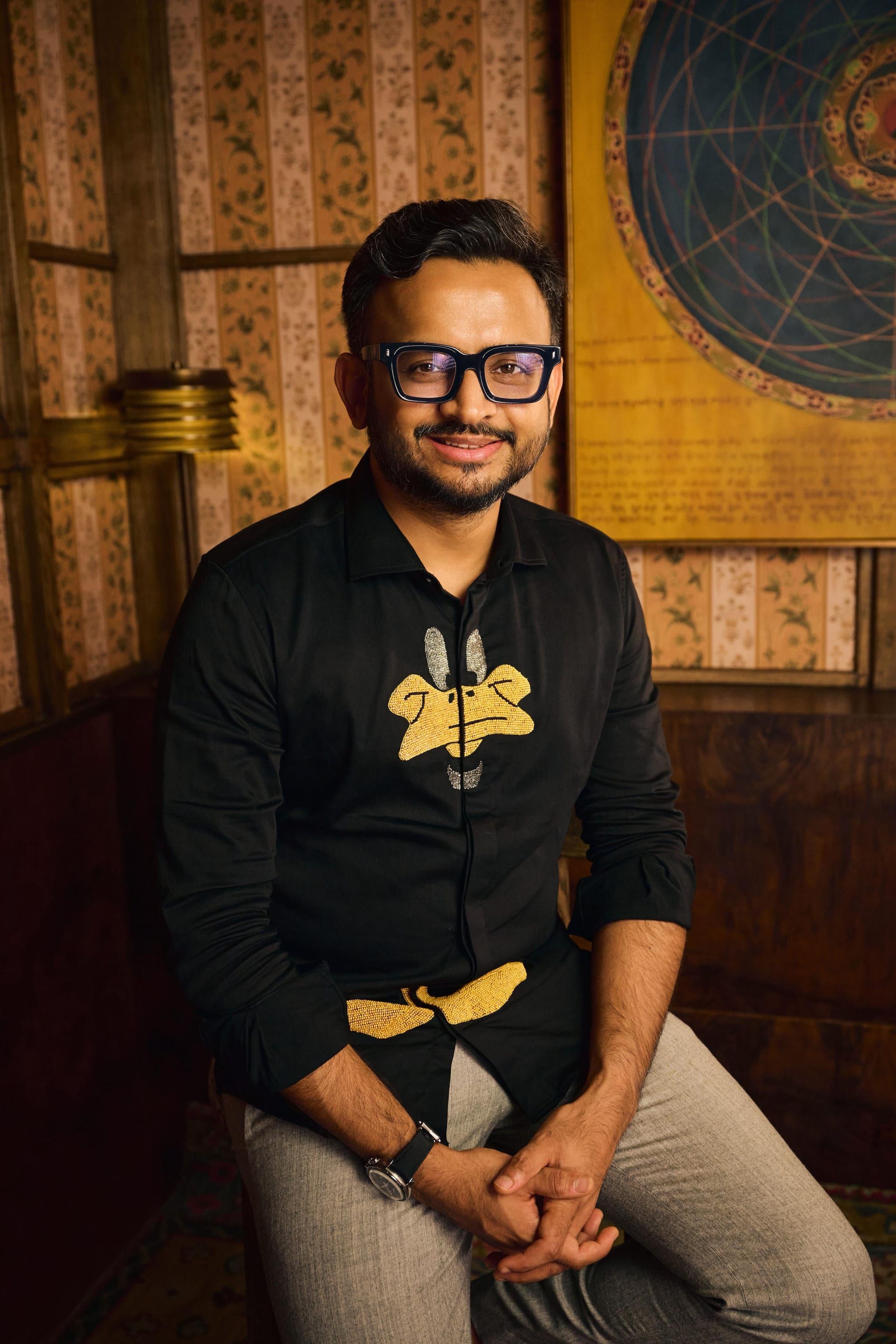
    Dhaval Shah, co-founder, allhome & pharmeasy in Mumbai
    Your reader

    Dhaval Shah

    Co-founder, AllHome & PharmEasy · Mumbai

    Dhaval co-founded PharmEasy and, more recently, AllHome. Doctor by training, entrepreneur by trade. He believes destiny is made, not waited for — the same conviction he brings to buildings, businesses, and, on the quiet days, to books.

    Given a quiet day, he'd read for two hours straight. The quiet days are the problem.

    The reading list
    01
    Modernism's most famous hospital is healing itself

    Modernism's most famous hospital is healing itself

    Monocle · The Lead · 90 sec

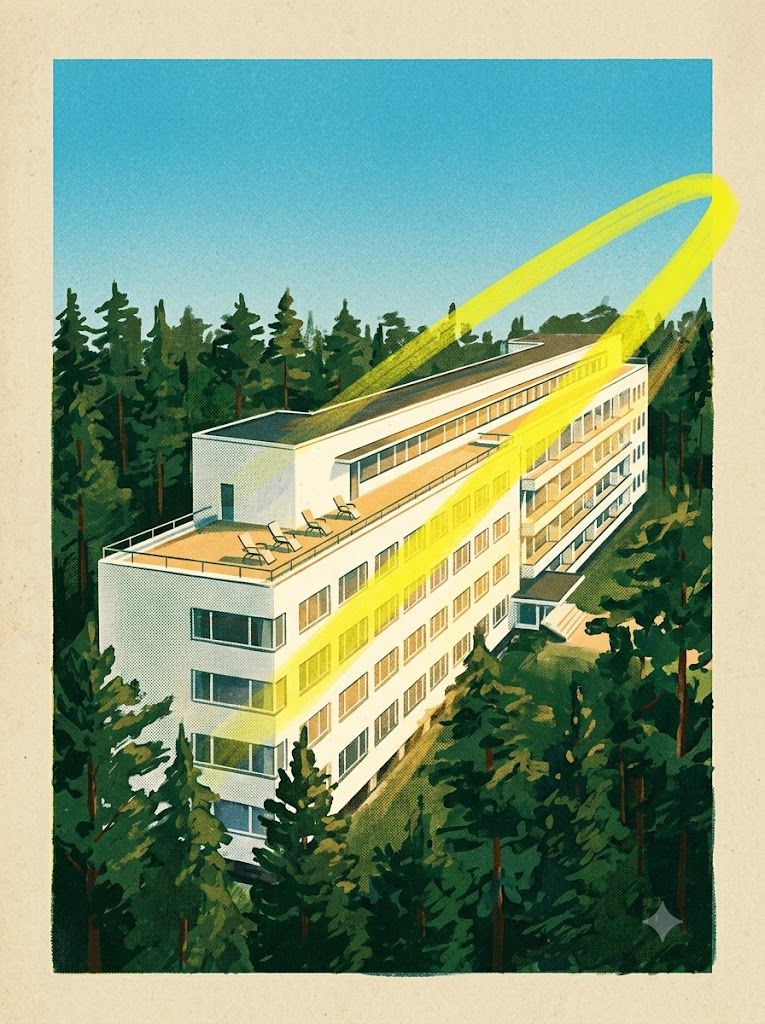
    In 1933, Aino and Alvar Aalto built a tuberculosis sanatorium in the woods of Paimio, Finland - a machine for healing where sunlight, air and colour were the prescription. Now Snøhetta has unveiled a masterplan to bring it back as a destination for wellness and culture. Working with ALA Architects and Mustonen Architects, the first phase converts the surgery wing into a 200-seat auditorium lined with birch-slatted walls. The patient wing becomes understated lodging. UNESCO's decision on the Aalto Works World Heritage nomination is expected this very month.

    Dhaval saysSnøhetta unveils a masterplan to revive Aino and Alvar Aalto's 1933 Paimio Sanatorium - modernism's most beloved hospital, built when sunlight and colour were the prescription. With ALA and Mustonen Architects, the surgery wing becomes a birch-lined 200-seat auditorium; the patient rooms, lodging. UNESCO's decision on the Aalto Works nomination is expected this month. Heritage survives best when it stays employed. If a 1933 hospital could take healing this seriously as design, why do our 2026 hospitals still feel like parking garages with beds?

    02
    Eighty rooms, eight emotions, one empty hospital

    Eighty rooms, eight emotions, one empty hospital

    Colossal · The Space · 75 sec

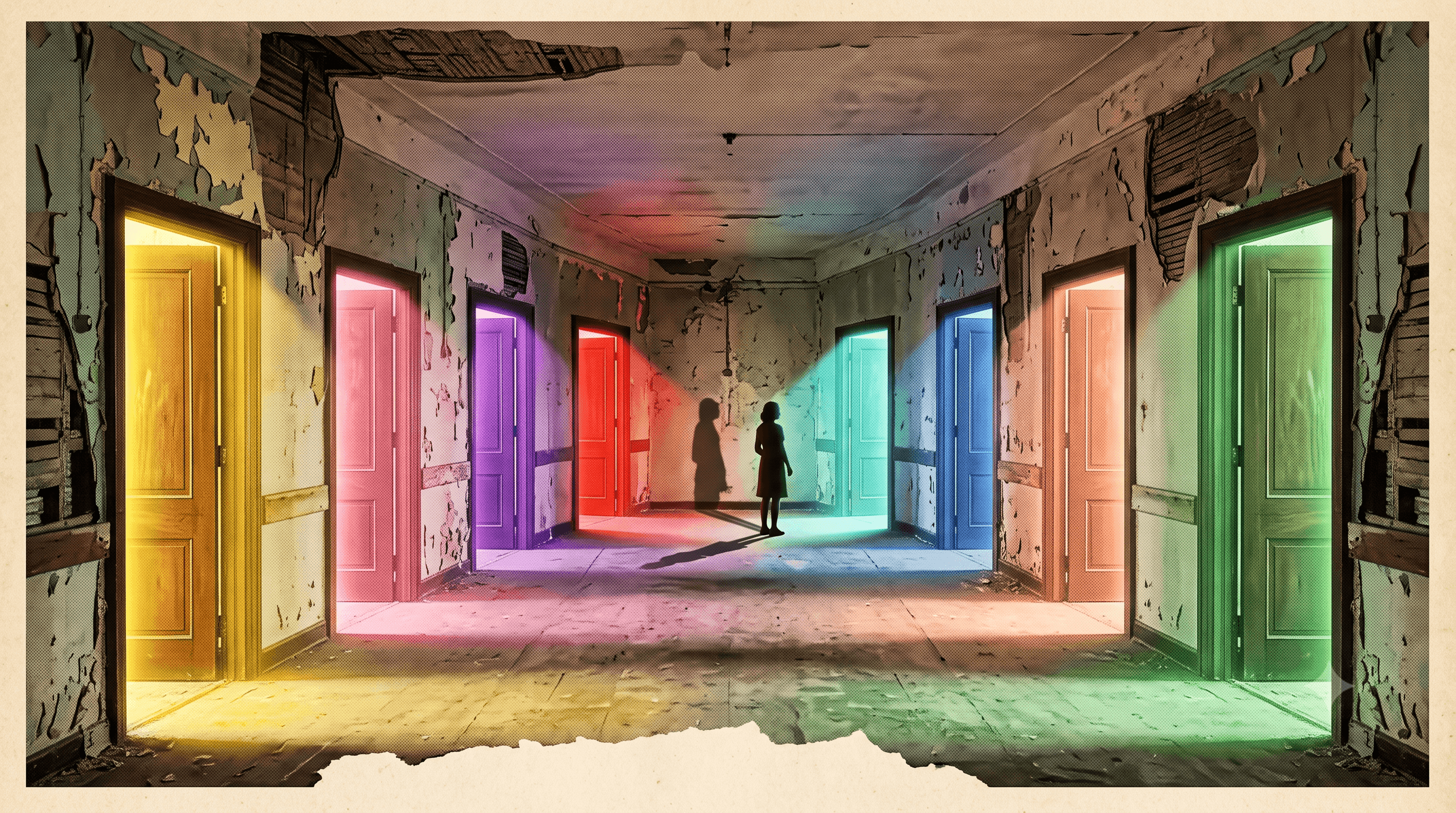
    St. Vincent Medical Center in Los Angeles has stood vacant since 2020. Before it reopens as a behavioral health campus, it has become the Hospital of Emotions - a sprawling exhibition in which 70 artists have transformed 80 rooms into immersive installations. Curated by Yaara Sachs of House of Art and Dreams, the show is organised around eight themes: joy, love, fear, anger, hope, sadness, compassion and resilience. Visitors wander corridors where every door opens onto a different feeling, through July 31. Then the artists leave, and the building goes back to doing the same work by other means.

    Dhaval saysBefore LA's vacant St. Vincent Medical Center reopens as a behavioral health campus, 70 artists have turned 80 rooms into installations organised around eight emotions - joy, love, fear, anger, hope, sadness, compassion, resilience. Through July 31. This isn't art squatting in a ruin; it's a building rehearsing its own future. A hospital about to treat emotional pain first lets artists name those emotions, room by room. Every Indian city has its own St. Vincent. Imagine if handing artists the keys became the ritual before every reopening.

    03
    The robots are bringing back ornament

    The robots are bringing back ornament

    designboom · The Idea · 75 sec

    designboom surveys a quiet revolution in how buildings are made: architects handing the chisel to robots - and getting craftsmanship back. At the Venice Architecture Biennale, BIG's Ancient Future fused hand-carving with robotic fabrication in timber. In Amsterdam, Studio RAP's algorithmically generated ceramics turn a facade into something no catalogue could supply. The through-line: robotic arms, computational design, CNC milling and 3D printing are emerging as instruments of craftsmanship rather than its replacement - producing bespoke, ornamental detail at building scale. It reads less like a tech story and more like a crafts revival, carried out with different tools.

    Dhaval saysdesignboom surveys a quiet revolution: architects handing the chisel to robots - and getting craftsmanship back. From BIG's Ancient Future at Venice to Studio RAP's algorithmic ceramics in Amsterdam, computation produces bespoke ornament at building scale. Modernism banished ornament, but what really killed it was arithmetic - skilled hands cost too much, and a robot arm doesn't charge overtime. India never lost its craftspeople the way the West did. The country that still has the hands could be first to give them robots.

    04
    Indian craft stops being a souvenir

    Indian craft stops being a souvenir

    Design Pataki · The India Story · 75 sec

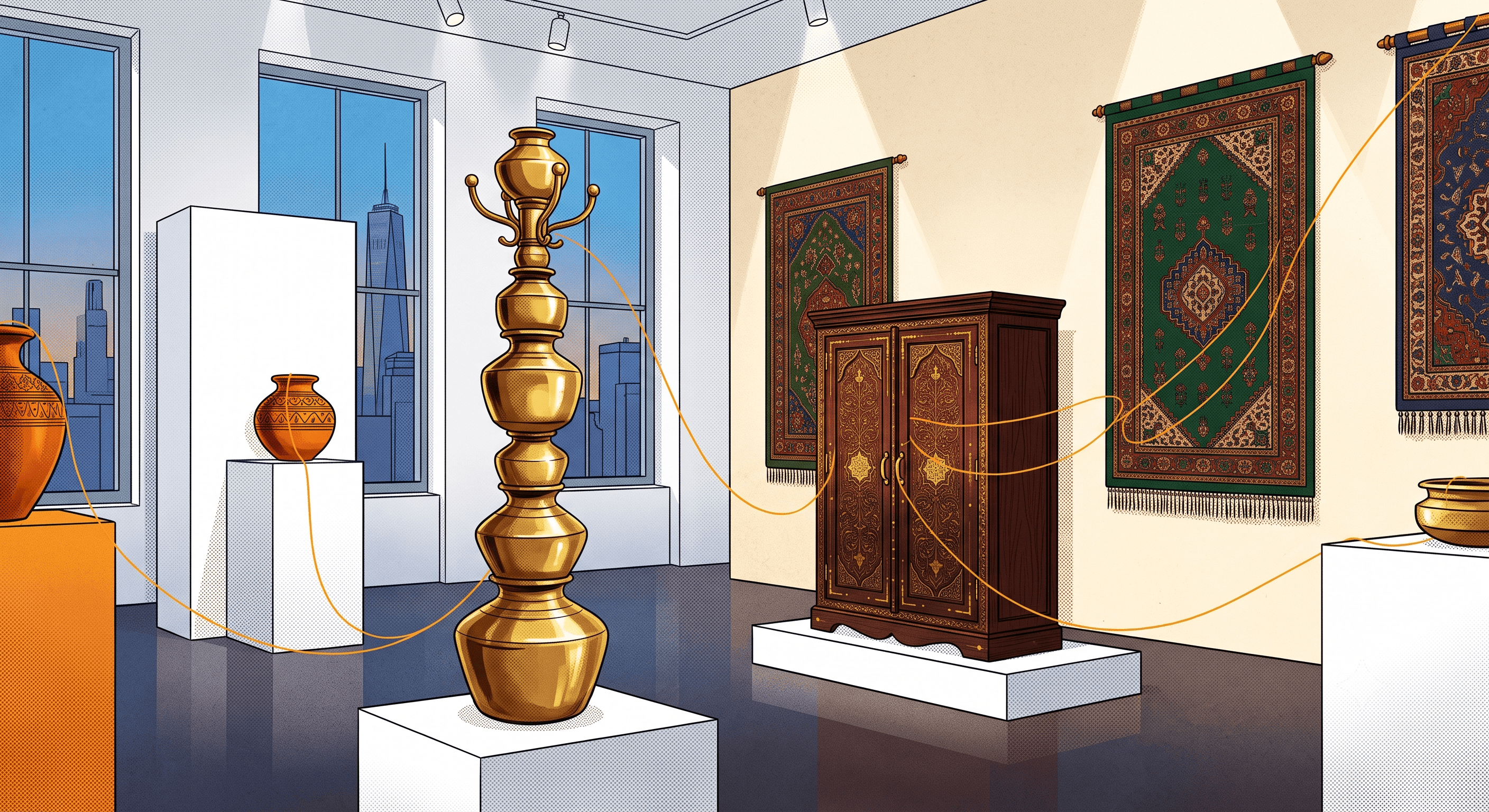
    Something is shifting in how the world buys Indian craft - and where. In February, House of Santal opened in Manhattan devoted to South Asian design, its first show gathering over a dozen Indian studios: etched brass-and-teak cabinets by Chacko, a coat stand built from lotas by Rhizome, wall hangings by Arisaa. In Paris, Æquo has opened new premises on Rue Mazarine. In London, EVOKE selects pieces for identity and cultural narrative rather than pedigree. Design Pataki maps it as a new geography: Indian craft entering the world's design capitals as contemporary collectible design.

    Dhaval saysSomething is shifting in how the world buys Indian craft. New York's House of Santal, Paris's Æquo and London's EVOKE now sell South Asian design as contemporary collectible work - named makers, editioned pieces - not anonymous heritage. Design Pataki maps a new geography. For decades Indian craft travelled anonymously, priced by the kilo of labour in it. Now it travels with a name - and provenance is what lets a lota coat stand command collector prices. Which Indian city will open the gallery that does this for India, in India?

    05
    The wellness retreat that follows you home

    The wellness retreat that follows you home

    Robb Report · Future Tense (Reader's Pick) · 90 sec

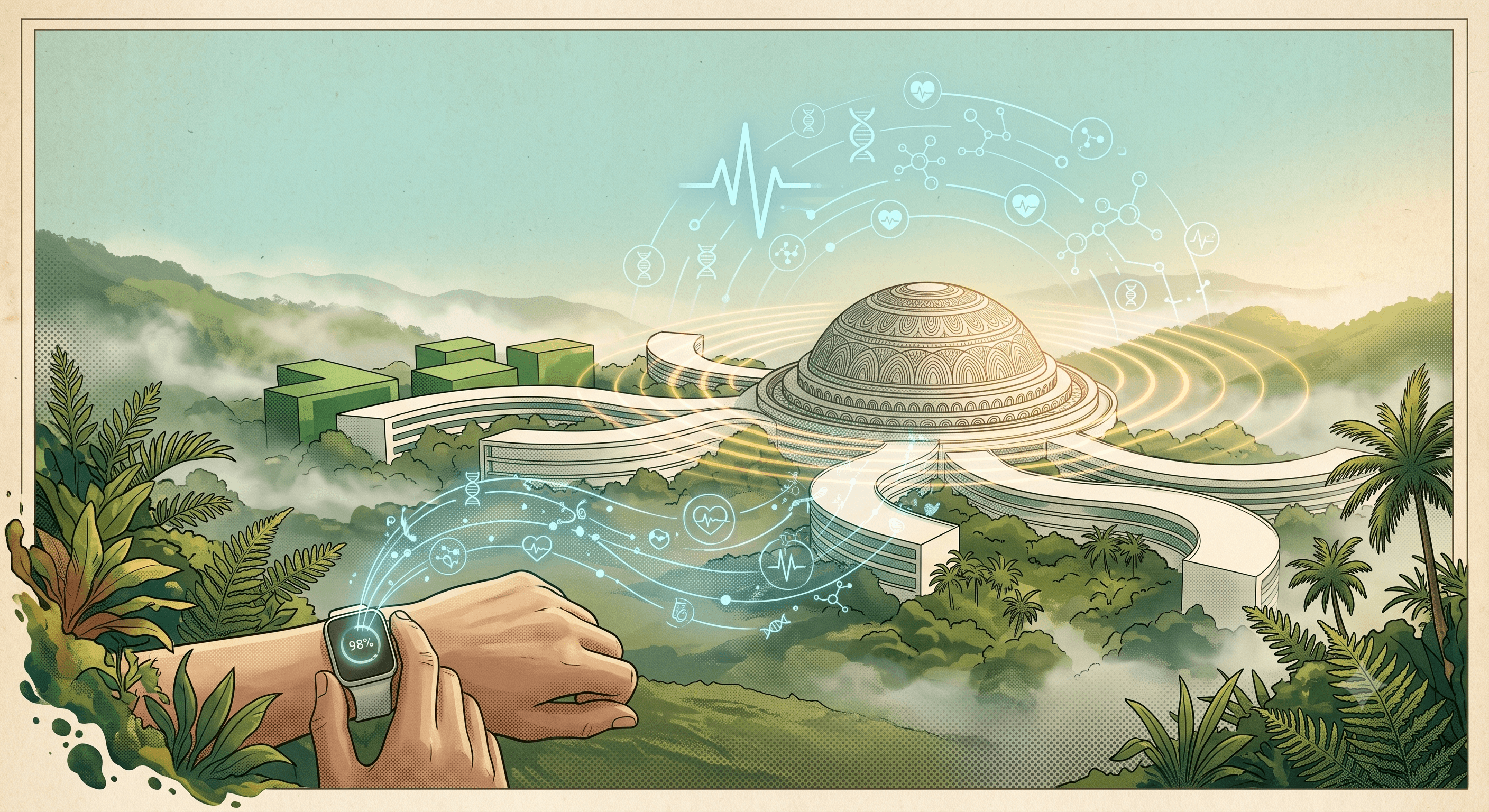
    In the hills of northern Kerala, industrialist Faizal Kottikollon has spent an estimated $100 million building Tulah - a 30-acre, 65-suite residential clinic pairing modern diagnostics with Ayurveda and Vedanta, refusing to treat them as opposites. Sharp corners are eliminated entirely; corridors curve in Zaha Hadid-inflected lines, and the campus houses what Tulah claims is the world's largest sound-healing dome. A proprietary Life Index algorithm distils each guest's biomarkers into a score, then syncs with their wearables after checkout - so the retreat continues on your wrist. Up to 40 satellite locations are planned over the next decade.

    Dhaval saysIn northern Kerala, Faizal Kottikollon has spent an estimated $100M building Tulah - a 30-acre, 65-suite clinic pairing MRIs and bloodwork with Ayurveda and Vedanta. No sharp corners; a Zaha-inflected campus with the world's largest sound-healing dome. The clever part is software: a Life Index algorithm distils each guest's biomarkers into a score, then syncs with their wearables after checkout. Medicine's hardest problem was never diagnosis - it's what patients do the eleven months after they leave. A building that follows you home understands healthcare better than most hospitals.

    That's Vol. 01. Loved it? Say so.

    All volumesVol. 02 is being read right now